Long-Stay in Tanzania: Everything You Need to Know Before You Come
Tanzania is much more than a destination for a short safari. With its warm climate, spectacular landscapes, welcoming culture and relaxed way of life, it can also be a wonderful place to spend several weeks or even a few months.
Whether you are escaping the European winter, taking an extended holiday, enjoying retirement, or simply looking for a slower travel experience, preparing properly will make your long stay much easier.
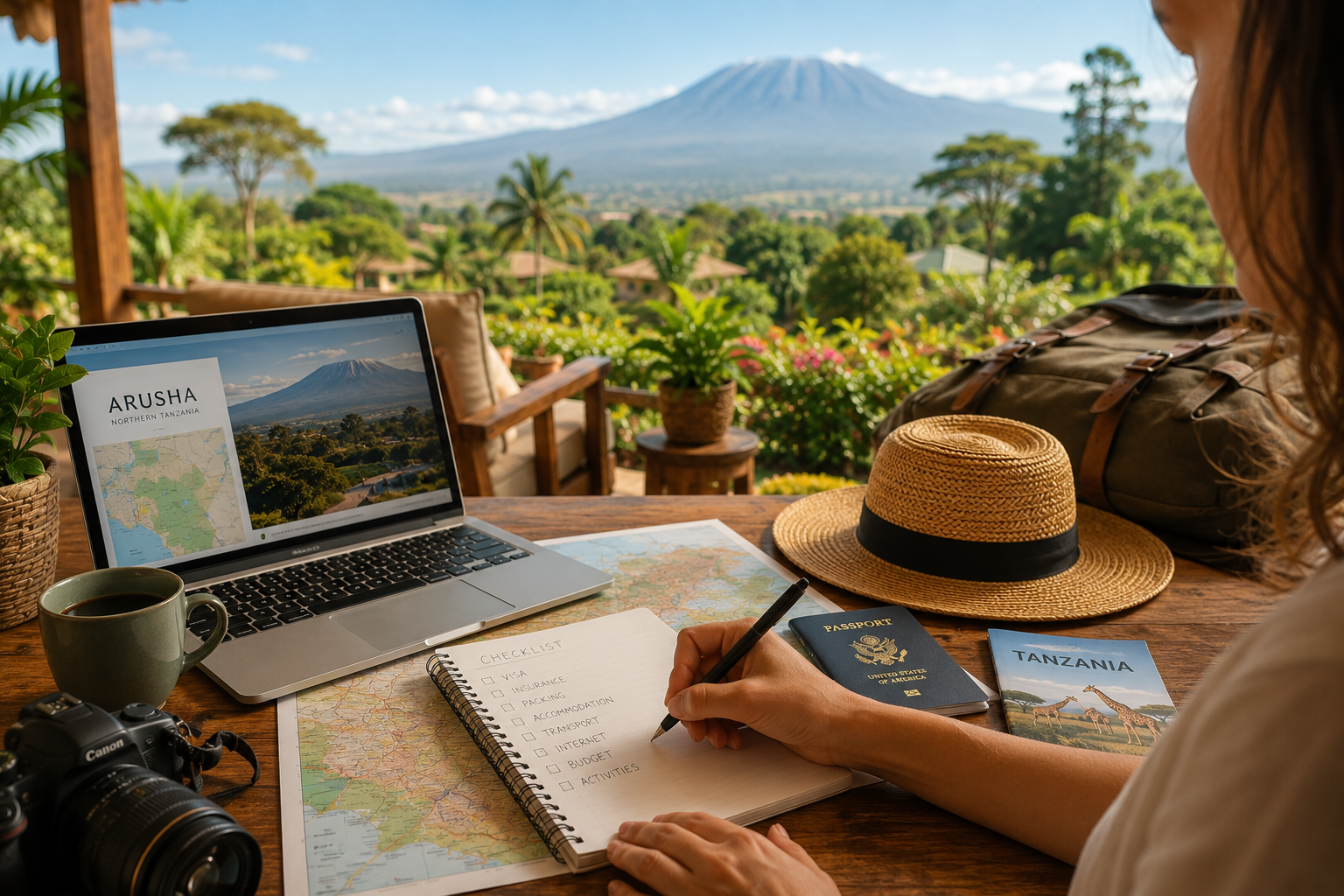
Here are the most important things to know before you come.
1. Choose the Right Time to Visit
Tanzania can be visited throughout the year, but the experience changes with the seasons and by region.
For Europeans looking for a winter escape, November through March can be particularly attractive. While Europe is experiencing its coldest months, much of Tanzania remains pleasantly warm.
November and December can bring short seasonal rains, while January and February are often warmer. March can see increasing rainfall as the longer rainy season approaches.
Rain does not necessarily mean entire days indoors. Tropical rainfall can be intense but localized, and conditions vary considerably across Tanzania.
2. Understand Visa and Entry Requirements
Before travelling, check the latest immigration requirements for your nationality and intended length of stay.
Many international visitors require a tourist visa to enter Tanzania. Depending on nationality, visas may be available online or on arrival, while some travellers need approval before travelling.
The official Tanzania Immigration Department provides information about visa categories, eligibility and current entry requirements.
Tanzania Immigration Department
Because immigration rules can change, always confirm the requirements shortly before your departure, particularly if you intend to remain in Tanzania for an extended period.
3. Find Accommodation Designed for Longer Stays
Accommodation can make a major difference to your experience.
For a short holiday, a hotel room may be enough. For four, eight or twelve weeks, however, you may appreciate more space and facilities that allow you to establish a normal daily routine.
Consider looking for accommodation that provides comfortable living areas, cooking facilities or meal options, reliable internet, laundry arrangements, outdoor spaces and secure surroundings.
Long-stay rates may also provide better value than paying a nightly hotel rate for several weeks.
The goal is to find somewhere that feels less like temporary accommodation and more like your home in Tanzania.
4. Budget for Everyday Life and Experiences Separately
Your long-stay budget should ideally have two parts.
The first covers everyday expenses such as accommodation, groceries, meals, transportation, internet and personal spending.
The second covers special experiences such as safaris, national park visits, cultural excursions, hiking or trips to Zanzibar.
Separating these expenses makes budgeting easier and allows you to enjoy normal life without feeling that every day needs to involve an expensive tourist activity.
Living slowly and staying in one location for longer can also help reduce your average daily costs.
5. Stay Connected
Mobile connectivity is widely available across Tanzania’s towns and cities, although quality can vary depending on location and provider.
A local SIM card can be useful for mobile data, calls and everyday communication. If you intend to work remotely, reliable Wi-Fi at your accommodation should be one of your priorities.
It is also useful to have mobile data as a backup connection.
For remote workers, checking internet availability before choosing long-term accommodation can prevent unnecessary difficulties later.
6. Learn a Little Swahili
English is widely used in tourism, and you can travel comfortably without speaking Swahili. However, learning a few words can make everyday interactions more enjoyable.
Start with simple expressions:
Jambo – Hello
Habari? – How are you?
Asante – Thank you
Karibu – Welcome
Tafadhali – Please
Pole pole – Slowly / Take it easy
You do not need to become fluent. Even making a small effort can help you connect more naturally with people during your stay.
7. Respect Local Culture
Tanzania is culturally diverse, and customs can differ between communities.
Respectful clothing is generally appreciated, particularly when visiting villages, religious places and more conservative communities. Coastal areas and Zanzibar can be more culturally conservative away from resorts and beaches.
Greeting people is also an important part of everyday interaction. Taking a moment to say hello before immediately asking a question can make conversations feel warmer and more respectful.
Long-stay travel gives you time to observe, learn and become more comfortable with local customs.
8. Think About Health Before Travelling
Before an extended international trip, it is sensible to speak with a qualified healthcare professional or travel clinic about your destination, planned activities and length of stay.
Depending on your itinerary, they may discuss routine vaccinations, malaria prevention and other travel-health considerations.
Travel insurance is also highly recommended. For a long stay, check that your policy covers the entire duration of your trip as well as any activities you intend to undertake, including safari or hiking if applicable.
9. Getting Around Tanzania
Transportation options range from local public transport and taxis to private transfers, domestic flights and long-distance buses.
If you are staying around Arusha, you may not need your own vehicle. Local transportation or arranged transfers can be sufficient for everyday trips.
For longer journeys, particularly between northern Tanzania, Zanzibar and other regions, domestic flights can save considerable travel time.
Rather than trying to see everything immediately, long-stay visitors have the advantage of being able to spread trips across several weeks.
10. Pack for Everyday Living, Not Just Safari
Packing for two months is different from packing for a seven-day safari.
Bring lightweight and breathable clothing, comfortable walking shoes, sun protection and something warmer for cooler mornings and evenings, particularly in higher-altitude areas around northern Tanzania.
A light rain jacket can also be useful depending on the season.
Remember that laundry services are commonly available, so you do not need to bring enough clothes for your entire stay.
If you work remotely, remember essential electronics, chargers and any adapters you may need.
11. Give Yourself Time to Slow Down
Perhaps the biggest difference between a short holiday and a long stay is your relationship with time.
You do not need to visit an attraction every day.
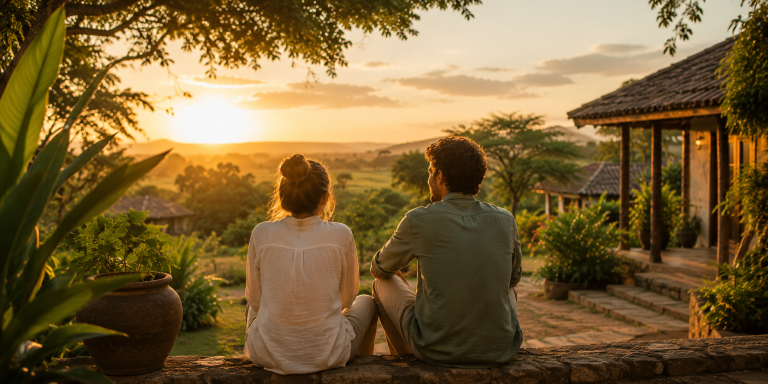
Some days might involve exploring Arusha or visiting a local market. Others might be spent reading, working, walking, enjoying the garden, having coffee or simply doing very little.
That is part of the experience.
Long-stay travel gives you something traditional tourism often cannot: the opportunity to develop a rhythm of everyday life in another country.
12. Leave Space for Safari and Adventure
Living slowly does not mean giving up adventure.
Northern Tanzania places you within reach of extraordinary wildlife and landscapes. During your stay, you can plan safari trips, cultural experiences, nature walks and other excursions without trying to squeeze everything into a single week.
You could also finish your Tanzania experience with several days in Zanzibar, combining your time on the mainland with beaches, Swahili culture and the Indian Ocean.
Having several weeks available gives you the freedom to choose when you want adventure and when you simply want to relax.
Experience Tanzania Differently
A long stay in Tanzania is not about turning a two-week holiday into an eight-week holiday.
It is a completely different style of travel.
You have time to meet people, discover favourite places, understand local rhythms and experience ordinary moments alongside extraordinary adventures.
Come prepared, stay curious and give yourself permission to slow down.
Because sometimes the best way to experience Tanzania is not to see it as quickly as possible.
Stay longer. Live slower. Discover Tanzania beyond the holiday.